Transitional Kindergarten in California: What Parents Need to Know in 2026
California has been rolling out big changes to Transitional Kindergarten, and if you have a four year old at home, this topic has probably crossed your radar. TK is now open to more families than ever before, and schools across the state are adjusting their programs to keep up. If you are searching for a preschool near me Corte Madera, understanding how TK fits into your child’s path can help you plan the next few years with a lot less stress.
This is one of the biggest shifts happening in early education right now, and parents everywhere are trying to figure out what it actually means for their kids.
What Transitional Kindergarten Actually Is
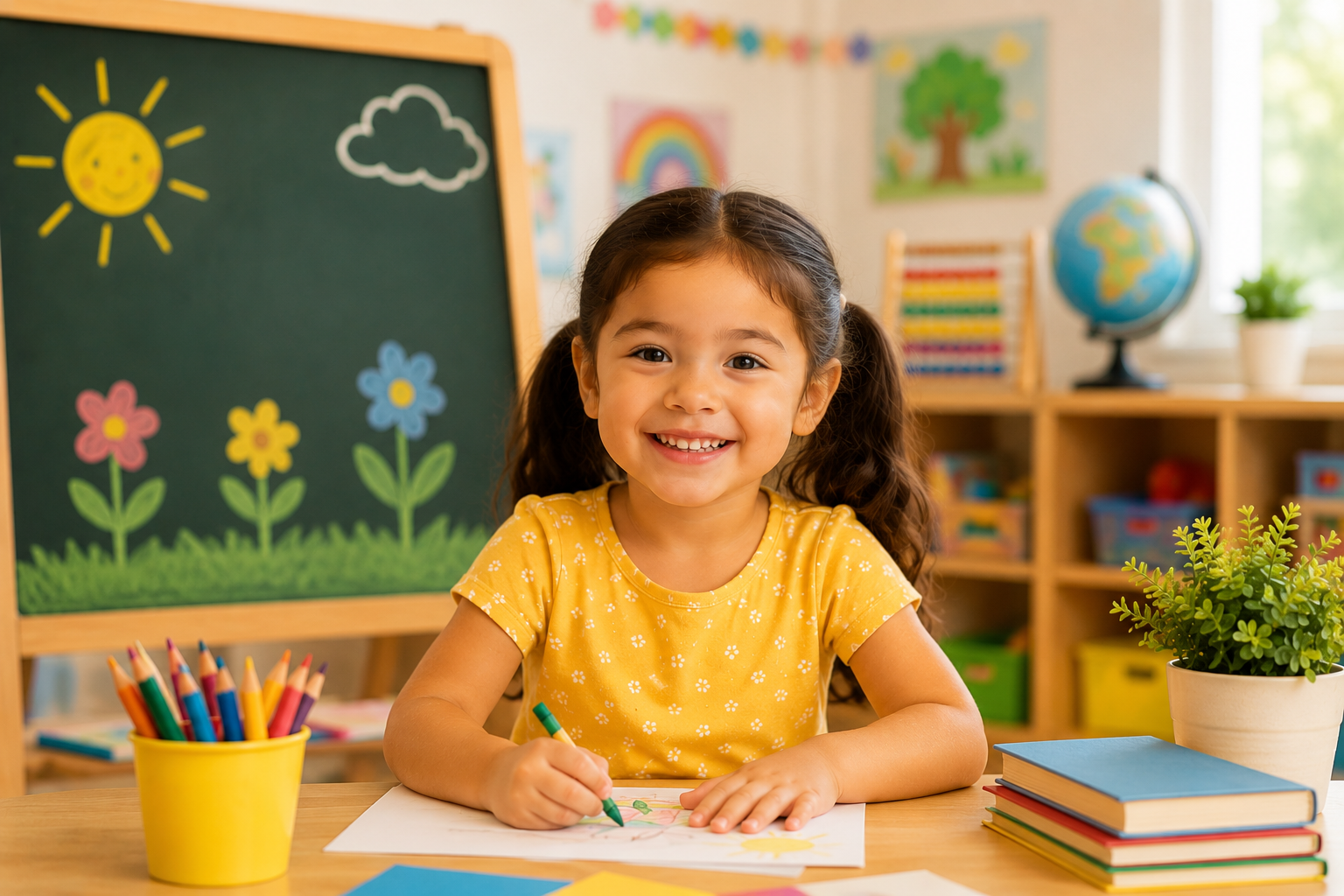
Transitional Kindergarten sits between preschool and kindergarten. It is designed for kids who just missed the kindergarten age cutoff, giving them an extra year to build the skills they need before jumping into a full academic setting. Instead of feeling like a repeat year, a good TK program stretches a child gently, introducing letters, numbers, and structured routines while still leaving plenty of room for play.
California has been expanding eligibility for TK over the past few years, and by now, most four year olds in the state qualify. This means many families are rethinking their timeline and asking whether their child is ready to move from preschool into this next stage.
Signs Your Child May Be Ready
Every child grows at their own pace, so there is no single test that tells you a child is ready. That said, a few signs tend to show up when a child is prepared for a more structured classroom.
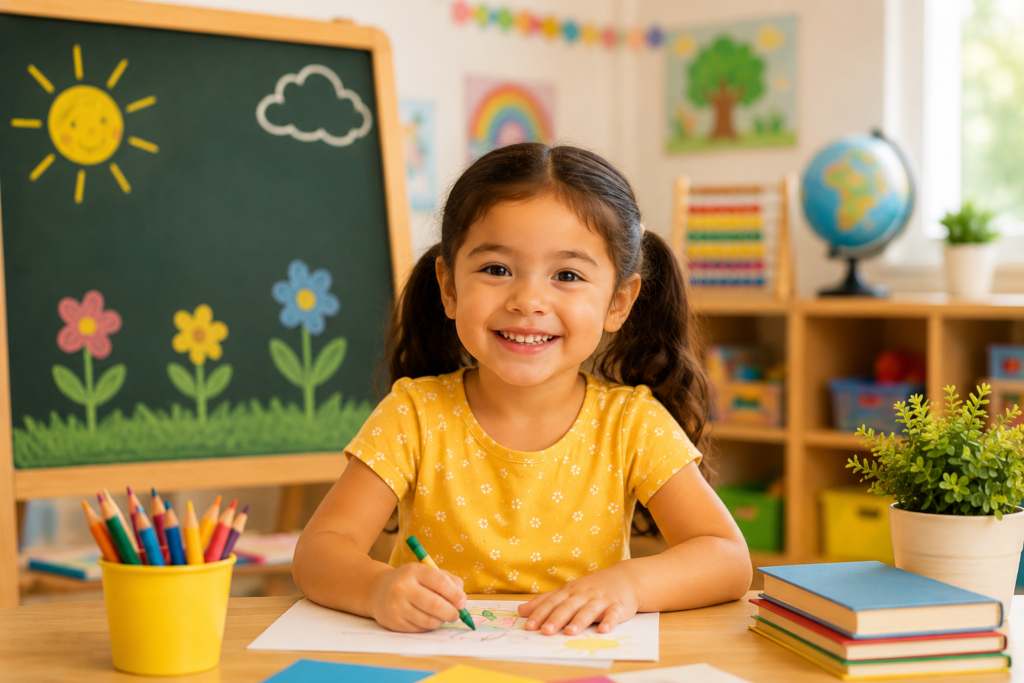
They can follow a couple of instructions in a row without needing constant reminders. They show interest in letters, numbers, or drawing, even if it is messy and imperfect. They can sit and focus on an activity for a short stretch of time. They are starting to manage their emotions a little better, even if meltdowns still happen sometimes.
None of these need to be perfect. Readiness is more about general direction than a checklist.
How a Strong Toddler and Preschool Program Builds This Foundation
The years leading up to TK matter just as much as TK itself. A solid toddler program Corte Madera lays the groundwork through everyday routines like cleaning up toys, taking turns, and following simple directions. These small habits build the self control and focus that make the jump into a more structured classroom feel natural instead of overwhelming.
As children move from toddler classrooms into two year old and three year old programs, the structure slowly increases. This step by step approach means children are not thrown into a demanding environment overnight. Instead, they grow into it gradually, picking up language, motor, and social skills along the way.
What to Ask When Choosing a Program
If you are comparing schools right now, ask how their curriculum connects across age groups. Does the toddler classroom lead naturally into the preschool room? Do teachers communicate with each other as kids move up? A school where age groups work as one connected system, rather than separate silos, tends to prepare kids more smoothly for TK and kindergarten down the road.
It also helps to ask about class size and how much one on one attention your child will get. Smaller groups usually mean more individual support, which matters a lot during these formative years.
Supporting Readiness at Home
You do not need flashcards or workbooks to help your child get ready. Reading together every night, giving them small chores like putting away their shoes, and letting them make simple choices, like picking their shirt or their snack, all build independence and confidence.
Talking through their day, asking questions, and giving them time to answer builds language skills naturally. Board games with simple rules, even something like matching cards, teach patience and turn taking without feeling like a lesson.
A Gentle Reminder for Parents
It is easy to feel pressure around this topic, especially with so much conversation about TK expansion happening right now. But every child settles into a classroom on their own timeline. The best thing you can do is choose a warm, consistent environment and trust the process. Kids who feel safe and supported almost always catch up quickly, even if they started a step behind.
Frequently Asked Questions
1. What age does my child need to be for Transitional Kindergarten?
Eligibility has expanded significantly in California, and most children turning four by early September now qualify. Exact cutoff dates can vary, so it is worth checking with your local school district.
2. Is TK the same as kindergarten?
No, TK is a bridge year designed for younger kids who are not quite ready for the full pace of kindergarten. It blends play based learning with early academic skills.
3. What if my child does not seem ready for a more structured classroom?
That is completely normal. Talk to their current teachers about specific areas to work on, like following directions or sitting for short activities, and give it time.
4. Can a strong preschool program really make a difference for TK readiness?
Yes, consistent routines, social interaction, and early exposure to letters and numbers in preschool all build the exact skills kids need for TK and kindergarten.
5. Should I hold my child back a year if they seem behind?
This is a personal decision best made with input from your child’s teachers, who see them in a classroom setting every day and can give specific, honest feedback.
If you are thinking about your child’s next steps, book a free school tour and see how our classrooms build these skills day by day, from toddler years all the way through preschool.