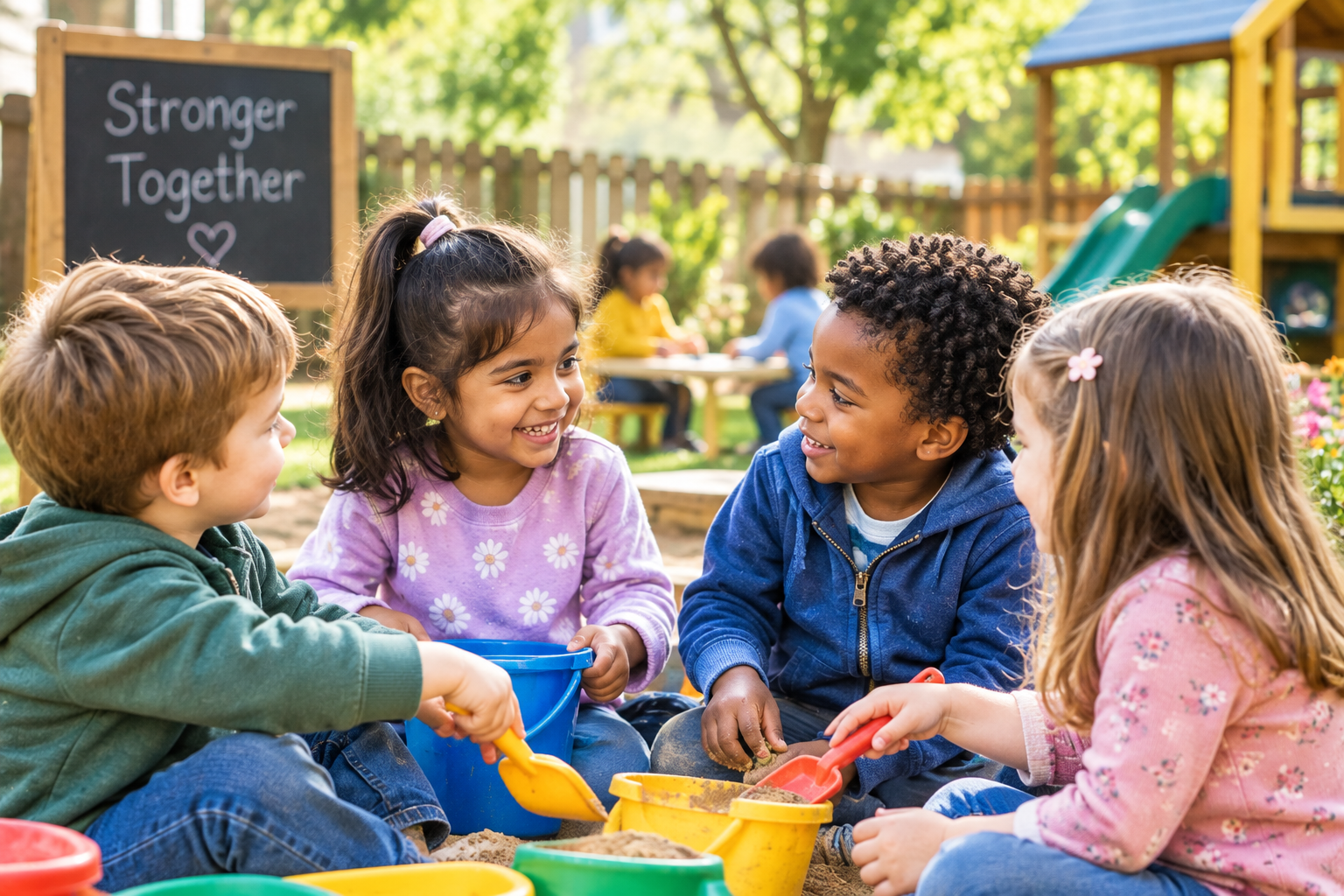
The Social Skills Gap: Why Kids Need Real Socialization More Than Ever
Teachers and pediatricians have been sounding the alarm on something that keeps showing up in classrooms across the country. Kids are struggling with basic social skills more than they used to. Sharing, taking turns, reading facial expressions, even just starting a simple conversation with another kid, these things do not come as naturally as they once did. This has become one of the most talked about topics in early childhood circles this year, and it is exactly why quality group care matters so much right now. If you have been comparing options for the best preschool in Corte Madera, this is a trend worth understanding before you choose a program.
Why This Is Happening
A few things have piled up at once. More screen time, less unstructured outdoor play, and fewer casual playdates with other kids have all played a part. Add in a few years where many families stayed closer to home, and a lot of young kids simply had fewer chances to practice being around other children their own age.
The tricky part is that social skills are not something kids just pick up automatically. They are learned through actual practice, through the small daily moments of sharing a toy, waiting for a turn, or working out a disagreement with a friend. Without regular chances to practice, these skills lag behind.
Why Group Care Environments Matter So Much Right Now
This is exactly where quality daycare and preschool programs step in. A good daycare Corte Madera program gives kids daily, repeated practice with the exact skills that are slipping. Every snack time, every group activity, every disagreement over a toy becomes a small lesson in patience, communication, and empathy, guided by a teacher who knows how to turn that moment into something positive.
This kind of steady, everyday practice simply cannot happen the same way at home alone, even with the most attentive parent. Kids need peers their own age to really build these muscles, and they need adults nearby who can gently guide them through the tricky parts without taking over completely.
Starting the Foundation Early
A lot of parents assume social skills are something to worry about once a child hits preschool age, but the groundwork actually starts much earlier. Even babies benefit from being around other little ones, watching faces, hearing different voices, and slowly learning the rhythm of back and forth interaction. A strong infant care Corte Madera program builds this foundation early, with caregivers who talk, sing, and interact constantly, giving babies the language and connection building blocks they will lean on for years.
Babies who get this kind of steady interaction tend to move into toddlerhood with an easier time reading emotions and connecting with other kids, since so much of that groundwork was already laid before they could even talk.
What to Look For in a Program
If closing this social skills gap matters to you, look past just the daily schedule when touring a school. Watch how teachers handle conflict between kids. Do they step in and solve it for them, or do they guide the kids toward solving it together? The second approach builds actual skills that stick.
Ask how much unstructured group play happens each day, not just structured lessons. Free play, where kids negotiate roles, share toys, and figure out group games on their own, is often where the most social growth actually happens.
Simple Things Parents Can Do Too
Support does not have to stop at drop off. Setting up short playdates, even just one on one, gives kids extra reps outside of school. Narrating social situations, like pointing out how a friend might be feeling, helps kids build the language for empathy. Limiting solo screen time in favor of any kind of interactive play, even with a sibling or parent, adds up more than people expect.
Why This Trend Deserves Attention
Social skills are not just about being polite or well behaved. They connect directly to confidence, friendships, and even academic success down the road, since so much of classroom learning depends on kids being able to work together, listen, and communicate. Getting ahead of this gap early, through consistent time around other kids and caring adults, gives children a real advantage that lasts well beyond preschool.
Frequently Asked Questions
1. At what age should I start worrying about my child’s social skills?
There is no need to worry early on, but consistent group interaction starting in infancy and toddlerhood helps build a strong foundation naturally.
2. Can an only child fall behind on social skills without siblings at home?
Not necessarily, especially with regular group care or playdates. Peer interaction outside the home fills this gap well.
3. How can I tell if a preschool actually focuses on social development?
Watch how teachers handle group activities and conflicts during a tour. Programs that guide kids through problem solving, rather than solving it for them, tend to build stronger skills.
4. Does screen time really affect social skill development?
Yes, excessive solo screen time reduces the face to face practice kids need to read expressions, take turns, and hold conversations.
5. Is it too late to help an older toddler catch up on social skills?
Not at all. Kids build these skills at different paces, and consistent group interaction can help even a shy or slower to warm up child catch up over time.
If you want your child to build real social confidence early, Book a free school tour and see how daily group interaction shapes stronger, more connected kids.