The Science of Reading: Why Early Literacy Is the Hot Topic in Early Education Right Now
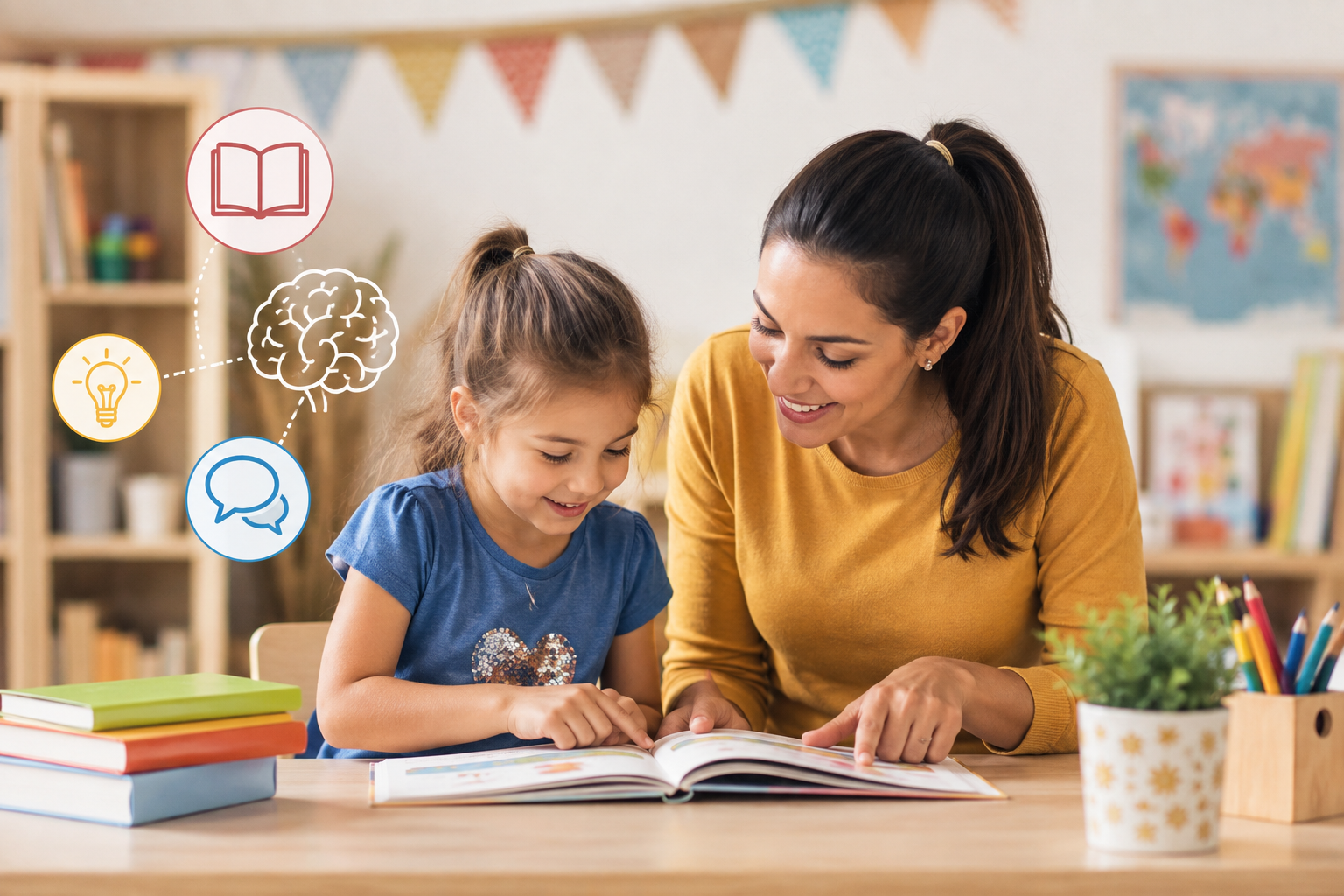
If you have scrolled through parenting groups or watched the news lately, you have probably heard the phrase “science of reading” come up again and again. Schools across the country are rethinking how they teach kids to read, and the conversation has trickled all the way down into preschool and pre-k classrooms. Parents searching for a pre k program Corte Madera are asking more questions than ever about how early literacy actually gets built, and that curiosity is a great sign.
Reading struggles have been making headlines, with test scores showing many kids falling behind where they should be. The good news is that a lot of this can be prevented, and it starts years before a child ever picks up a chapter book.
What the Science of Reading Actually Means
For a long time, some classrooms taught reading through guessing based on pictures and context clues. The science of reading flips that around. It focuses on sounding out letters, connecting sounds to symbols, and building vocabulary through conversation and stories. This approach is backed by decades of research on how the brain actually learns to decode words.
The exciting part is that none of this requires flashcards or drills for little kids. It happens through rhyming games, songs, read alouds, and simple letter sound practice woven into everyday play.
Why the Early Years Matter So Much
By the time a child reaches kindergarten, their brain has already absorbed thousands of hours of language exposure, or in some cases, far less. Kids who hear rich vocabulary, get read to often, and practice recognizing letters early tend to have a much easier time when formal reading instruction starts.
This is exactly why a strong two year old program San Diego puts so much focus on language. At this age, it is less about teaching letters directly and more about building the vocabulary and listening skills that make letter learning click later on. Naming objects, describing feelings, and having real back and forth conversations all lay bricks in that foundation.
How Preschool Classrooms Are Adjusting
Teachers everywhere are shifting their approach based on this research. Circle time now often includes rhyming songs and sound games instead of just story time alone. Classrooms are filled with printed words on labels, name tags, and charts so kids see letters everywhere, not just in books.
A quality preschool Corte Madera CA program should blend these small moments throughout the day rather than saving literacy for one set lesson. Pointing out the first letter of a child’s name, clapping out syllables in a word, or asking a child to guess what happens next in a story are all simple ways to build these skills without it feeling like schoolwork.
Simple Things You Can Do at Home
You do not need a curriculum to support this at home. Reading together every night is still one of the most powerful things a parent can do. Pause while reading and ask your child what they think will happen next. This builds comprehension, not just word recognition.
Play rhyming games in the car or at bath time. Point out letters on signs and packages during errands. Sing the alphabet song, but also slow down sometimes and talk about the sounds each letter makes, not just the names.
Most importantly, keep it fun. Reading should feel like a treat, not a task. Kids who associate books with cozy, happy moments are far more likely to become confident readers later on.
Signs a Child Is Building Strong Pre Reading Skills
Watch for a few encouraging signs along the way. Your child starts noticing letters in their own name. They enjoy rhyming words and might make up silly ones on their own. They can retell part of a story after hearing it. They show interest in pretending to read books on their own, even if they are just flipping pages and making up the story.
These small moments are huge steps, even if they do not look like traditional reading yet.
Why This Trend Is Worth Paying Attention To
Literacy struggles do not just affect school performance. They ripple into confidence, behavior, and how much a child enjoys learning overall. That is exactly why so many schools and parents are paying closer attention to this topic right now. Getting ahead of it early, through everyday moments rather than pressure, sets kids up for a much smoother start to elementary school.
Frequently Asked Questions
1. What is the science of reading, in simple terms?
It is an approach to teaching reading based on research into how the brain processes letters and sounds, focusing on phonics and vocabulary rather than guessing from pictures.
2. When should my child start learning letter sounds?
Most kids start showing interest around age three or four, though exposure to rhymes, songs, and books should start much earlier through everyday conversation.
3. Does my toddler need to know the alphabet before preschool?
No, toddlers benefit most from language exposure and listening skills. Letter recognition usually develops naturally a bit later.
4. How can I tell if my child is falling behind in early literacy?
Talk to their teacher. They can compare your child’s progress to typical milestones and suggest simple activities to support specific skills at home.
5. Is screen based reading practice helpful for young kids?
In small doses with parent involvement it can help, but nothing replaces real conversation and being read to by a caring adult.
If you want to see how our classrooms build these early literacy skills day by day, book a free school tour and watch a lesson in action.