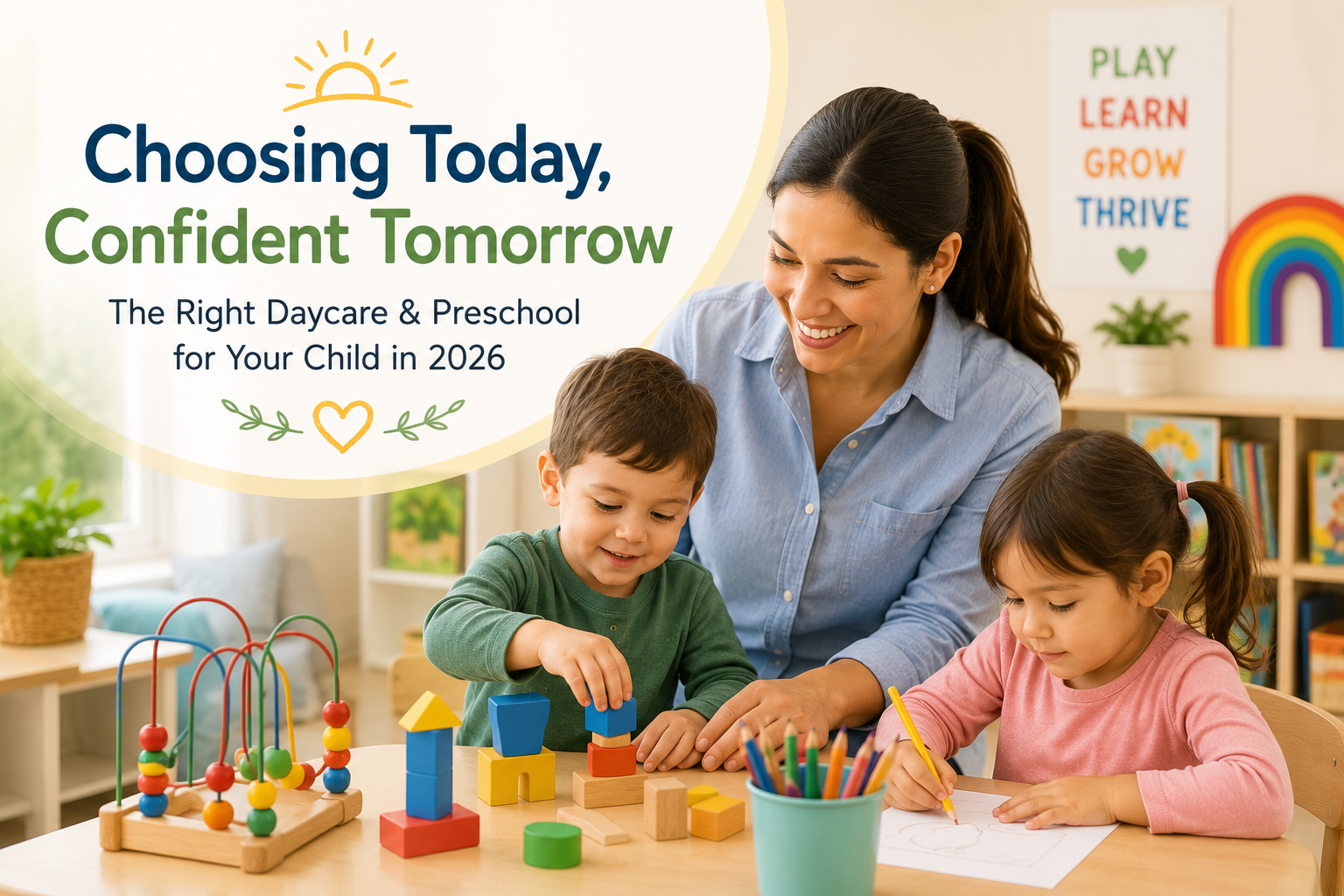
How to Choose the Right Daycare and Preschool for Your Child in 2026
Picking a daycare or preschool is one of those decisions that can keep parents up at night. Will my child be safe? Will they be happy? Will they actually learn something, or just spend the day watching cartoons? If you have asked yourself these questions while searching for daycare Madera CA, you are not alone. More families are looking closely at early childhood education than ever before, and honestly, that is a good thing.
This year, one trend stands out clearly: parents want more than just a place to drop off their kids. They want partnership. They want teachers who actually know their child’s name, their favorite snack, and what makes them laugh. That shift in expectations is exactly why programs built around real relationships, not just supervision, are winning over families.
Why Early Education Matters More Than Ever
Research keeps confirming what many parents already sense in their gut. The first five years shape how a child thinks, talks, and connects with others. A good preschool Madera CA does not just keep kids busy. It builds the foundation for reading, math, and social skills long before kindergarten starts.
The trend right now is toward play based learning mixed with structure. Pure academics for toddlers is falling out of favor. Instead, schools are blending art, music, movement, and small group activities so kids learn without feeling like they are being tested. This approach keeps children curious instead of burned out before they even start real school.
What to Actually Look For in a School
When you tour a preschool or daycare, do not just look at the toys on the shelf. Watch how the teachers talk to the kids. Are they kneeling down to make eye contact? Do they know each child by name? Small details like this tell you more than any brochure ever could.
Ask about staff to child ratios. Ask how often you get updates about your child’s day. Ask what happens when a child is having a hard morning. The answers to these questions reveal a lot about the culture of a school.
Infant Care Needs a Different Kind of Attention
Babies are not just smaller toddlers. They need their own routines, their own pace, and caregivers who understand feeding schedules, sleep patterns, and the tiny milestones that happen almost every week. If you are searching for the best infant care in Corte Madera, look for a program where every baby is assigned a primary caregiver. That one on one bond helps infants feel secure, and it gives parents peace of mind knowing someone truly familiar is watching over their little one every day.
A strong infant program should also keep parents in the loop with daily logs covering naps, meals, and mood. This kind of steady communication turns a stressful drop off into something much easier for both parent and child.
The Trend Toward Transparency
One thing families are asking for more and more this year is transparency. Parents want school apps, photo updates, and honest conversations about how their child is really doing, not just a quick “they had a great day” at pickup. Schools that embrace this openness are building trust, and trust is really the whole point of childcare.
Community events are making a comeback too. Parent meetings, seasonal gatherings, and simple get togethers help build a real sense of belonging, not just a transactional drop off and pickup routine.
Making the Transition Smooth
Starting a new school is a big change for a child and honestly for parents too. Look for schools that offer a proper transition plan instead of just tossing your child into a new room on day one. A gradual onboarding process, paired with tech tools that keep parents updated, makes a huge difference in how quickly a child settles in.
Frequently Asked Questions
1. At what age can my child start preschool?
Most preschools accept children starting around two and a half to three years old, though this can vary depending on the program and how ready your child seems for a classroom setting.
2. What is the difference between daycare and preschool?
Daycare focuses mainly on care and supervision throughout the day, while preschool blends care with structured learning activities designed to prepare kids for kindergarten.
3. How do I know if an infant program is a good fit?
Look for a low child to caregiver ratio, a primary caregiver system, and daily communication about feeding, sleeping, and activities. These are strong signs of quality infant care.
4. Can I visit the school before enrolling?
Yes, most quality schools encourage this. A tour lets you see the classrooms, meet the teachers, and get a feel for the daily routine before making a decision.
5. How often will I get updates about my child’s day?
Good schools usually provide daily updates through logs, apps, or photos, keeping you connected to your child’s activities even while you are at work.
If you are exploring options for your little one, the best next step is simple. Book a free school tour and see the classrooms, meet the teachers, and ask every question on your mind. It is the easiest way to know if a school truly feels right for your family.